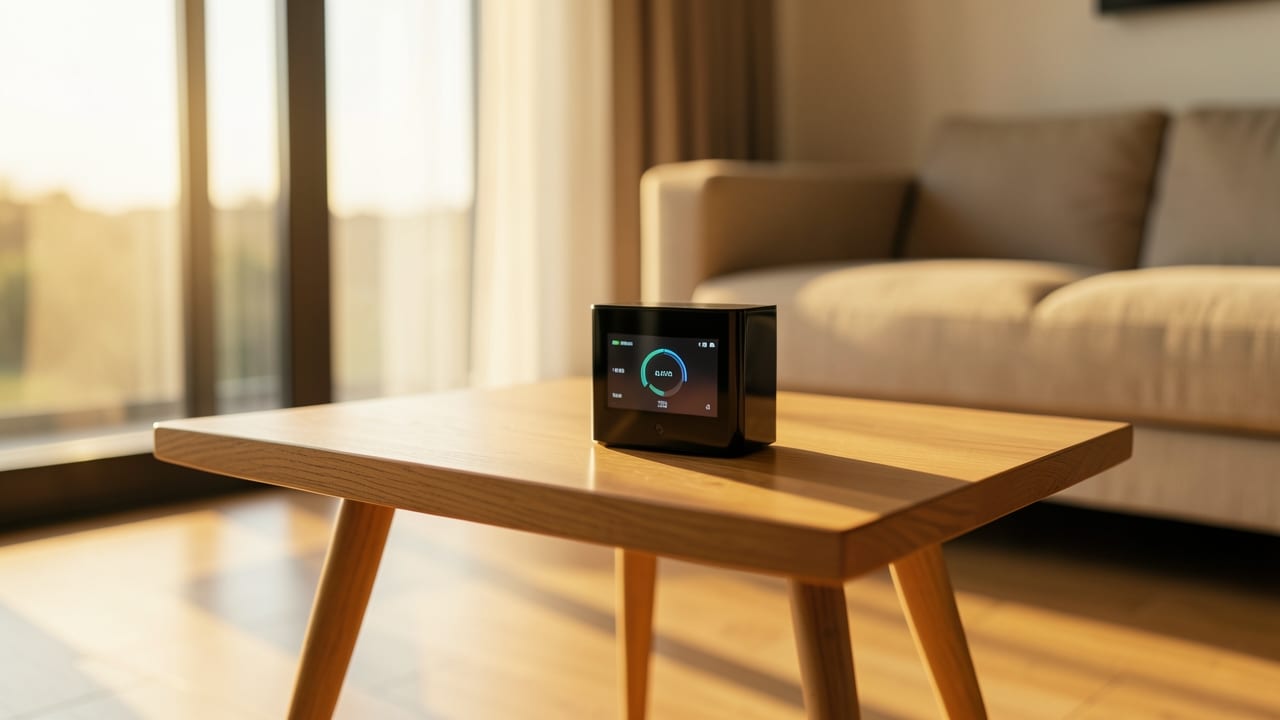
Indoor Air Quality Testing in Riverwoods, IL
Indoor Air Quality Testing for Riverwoods, IL properties — Riverwoods borders Deerfield directly to the west.
Indoor air quality testing in Riverwoods, IL, helps identify pollutants and allergens in homes and businesses. The work involves assessing airflow, detecting mold, and measuring particulate levels to ensure a healthier environment. Crews in the area typically use specialized equipment to gather accurate readings. Riverwoods, bordering Deerfield to the west, benefits from these services to address common concerns like dust, pollen, and volatile organic compounds. It is handled by professionals trained to interpret results and recommend improvements.
Why indoor air quality testing matters in Riverwoods
Indoor air quality testing in Riverwoods, IL, addresses concerns tied to its rural, large-lot setting bordering Deerfield. The work involves checking for pollutants like pollen, mold, or dust carried in from the surrounding open spaces and wooded areas. Crews in the area typically assess ventilation effectiveness, as homes here may rely more on natural airflow due to the expansive, less dense environment. It is handled by identifying specific contaminants that rural proximity can introduce, ensuring a healthier indoor space despite the outdoor conditions.
This service is also available via Indoor Air Quality Testing and Riverwoods, IL.
What indoor air quality testing actually involves, step by step
Visual and camera inspection. A camera scope is run into accessible sections of the duct system to document dust buildup, biological growth, or damage without disturbing anything, since the point of an inspection-only service is an accurate record of current conditions, not a cleaning.
Airflow and register check. Airflow at each supply and return register is checked and compared against what the system's rated capacity should be able to deliver, identifying registers with reduced flow that may point to a blockage, a disconnected run, or an undersized duct somewhere upstream.
Air sample collection. Where indoor air quality is the specific concern, air samples are collected from the supply air and, separately, room air, and sent to an independent lab rather than analyzed in-house, so the particulate or biological count reported isn't influenced by whoever collected it.
Written findings report. The inspection results are documented in a written report covering which sections showed buildup, any airflow issues found, and lab results if samples were taken, giving the property owner a record to base a cleaning or repair decision on rather than a verbal opinion.
What goes wrong when indoor air quality testing is done badly
Judging buildup by a single register. Checking dust or airflow at only one or two easily accessible registers and generalizing that finding to the whole system can miss a section with far worse buildup that just happens to be harder to reach, giving a misleadingly clean or dirty impression of the whole system.
Skipping the airflow measurement. An inspection that only looks at visible dust and skips measuring actual airflow at the registers misses blockages and disconnected runs that do not show up as visible buildup at all, which is often the more urgent finding for a system with a comfort or efficiency complaint.
How to choose who does the work in Riverwoods
Is the quote a flat whole-house price, a per-vent price, or a per-register price? These three pricing models can produce very different totals for the same house, so the model should be clear before comparing numbers. Does the quote include the main trunk lines and the HVAC unit's coils and blower, or only the individual vents? Some estimates cover only the visible vent openings, leaving the main lines untouched. What method is used — negative-pressure HEPA vacuum with agitation, or a shop-vac at the vent? A shop-vac at the vent removes far less debris than a whole-system negative-pressure method. Is a before-and-after camera inspection provided so the results can be checked? Without visual confirmation, there is no way to verify how much debris was actually removed. Does the estimate include dryer vent cleaning, or is that a separate service? Duct cleaning and dryer vent cleaning are different systems and are sometimes confused inside a bundled quote. What is the plan if mold or pest contamination is found inside the ducts? Contamination sometimes calls for a different remediation step beyond a standard cleaning, which can change the price.
A price that sounds far too low compared to every other quote for the same house size. Unusually cheap duct cleaning sometimes means a shop-vac at the vents rather than a full negative-pressure system clean. No specification of whether the price is flat-rate, per-vent, or per-register. Without knowing the pricing model, there is no way to tell if the number is actually comparable to another bid. No before-and-after inspection offered. Without a camera check, there is no way to confirm how much debris was actually removed. Pressure to add UV-light or sanitizing treatments on the spot, bundled with no separate breakdown. Bundled add-ons proposed during the visit are harder to evaluate than a written, itemized quote. No mention of whether the HVAC coils or blower are included or excluded from the cleaning. Some estimates cover only the visible duct openings, leaving the unit itself untouched.
What Testing Actually Measures
A particle counter measures fine particulate matter at different points in the home, a hygrometer checks relative humidity (both too high and too low humidity cause separate problems — mold risk on one end, dried-out sinuses and static on the other), and where mold is suspected, an air sample can be sent to an independent lab for species identification and spore-count analysis.
Reach out for a firm quote on indoor air quality testing in Riverwoods; the same scheduling and pricing apply here as anywhere else covered.
See Indoor Air Quality Testing in Libertyville, IL for more — or check out how our Deerfield crew can help at a glance for our complete service area.
Serving Riverwoods, IL
Ready to get started?
Talk to a local air duct cleaning pro serving Riverwoods, IL — get a written quote.
Other Services We Offer in Riverwoods, IL
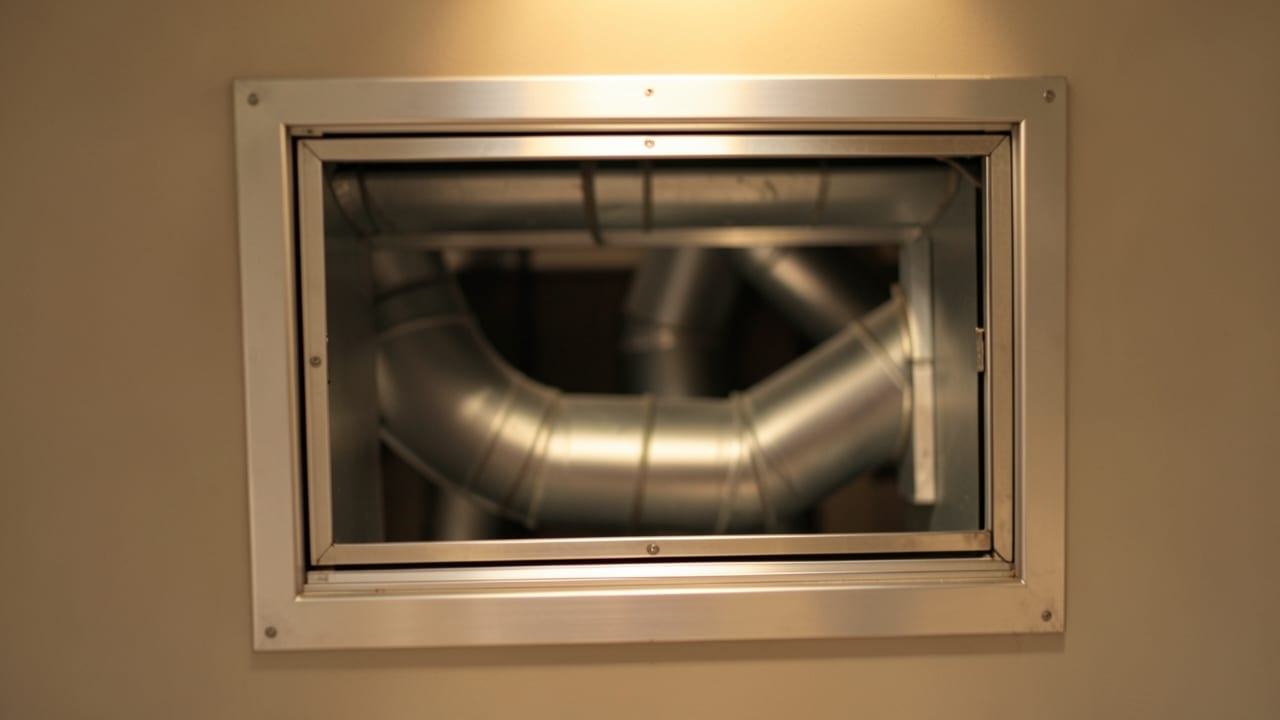
Stairwell Vent Cleaning in Riverwoods, IL
Stairwell Vent Cleaning for Riverwoods, IL properties — Riverwoods borders Deerfield directly to the west.
Learn More
Sunroom Duct Cleaning in Riverwoods, IL
Sunroom Duct Cleaning for Riverwoods, IL properties — Riverwoods borders Deerfield directly to the west.
Learn MoreCloset Vent Cleaning in Riverwoods, IL
Closet Vent Cleaning for Riverwoods, IL properties — Riverwoods borders Deerfield directly to the west.
Learn More
Apartment Duct Cleaning in Riverwoods, IL
Apartment Duct Cleaning for Riverwoods, IL properties — Riverwoods borders Deerfield directly to the west.
Learn More
HOA Duct Cleaning in Riverwoods, IL
HOA Duct Cleaning for Riverwoods, IL properties — Riverwoods borders Deerfield directly to the west.
Learn MoreRestaurant Duct Cleaning in Riverwoods, IL
Restaurant Duct Cleaning for Riverwoods, IL properties — Riverwoods borders Deerfield directly to the west.
Learn MoreThe same service is also covered in Libertyville, IL , on the same terms.
Common Questions About Air Duct Cleaning in Riverwoods, IL
Everything you need to know about air duct cleaning services in Riverwoods, IL
How much does Indoor Air Quality Testing typically cost in Riverwoods, IL?
What local factors get checked before recommending duct cleaning in Riverwoods, IL?
How often should air ducts actually be cleaned?
What does an air duct cleaning appointment actually involve, step by step?
Does dirty ductwork actually cause allergy or respiratory symptoms?
Need Air Duct Cleaning in Riverwoods, IL?
Get a written quote from our Riverwoods, IL crew.
⏰ We answer your call • Serving all of Riverwoods, IL and surrounding areas