Supply Duct Cleaning: A Critical Step for HVAC Efficiency in Deerfield
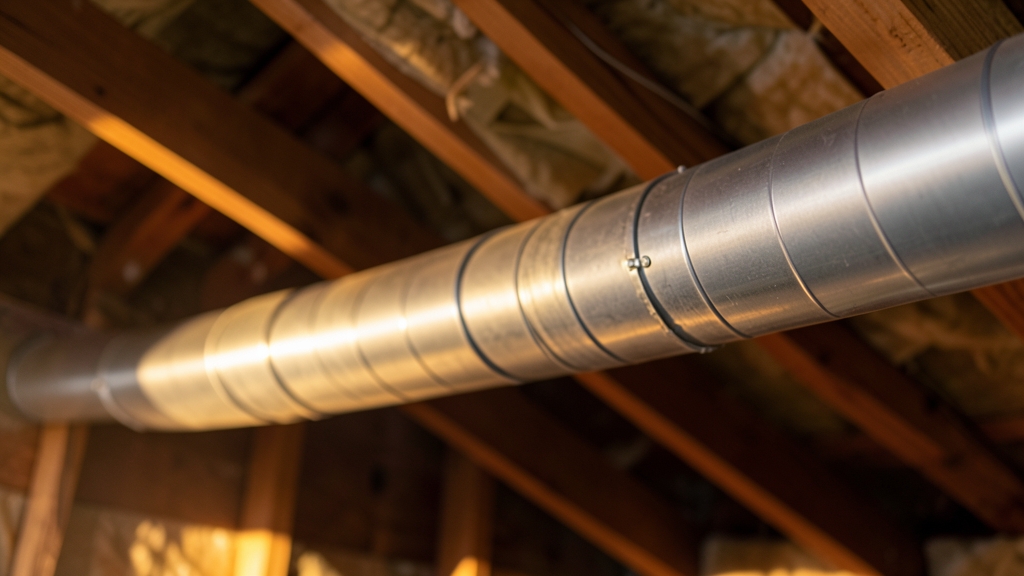
Supply ducts deliver conditioned air throughout your home, but when clogged with dust, debris, or mold, they choke airflow and force your HVAC to work harder. In our area’s humid summers and frigid winters, clean supply ducts aren’t just about comfort—they’re about efficiency and longevity.
Why Supply Duct Cleaning Matters More Than You Think
Supply ducts distribute air from your furnace or AC to every room. When they’re dirty, that air carries contaminants directly to your living spaces, aggravating allergies and respiratory issues common in our region.
Clogged supply ducts also increase static pressure, reducing CFM (cubic feet per minute) and forcing your blower motor to compensate. This strains the system, spikes energy use, and shortens equipment life—especially during Deerfield’s extreme seasonal swings.
Supply vs. Return Ducts: Key Differences
Supply ducts push conditioned air *out* to vents, while return ducts pull air *back* to the HVAC system for reconditioning. Both collect debris, but supply ducts impact indoor air quality more directly.
| Duct Type | Primary Function | Common Contaminants | Impact of Neglect |
|---|---|---|---|
| Supply Ducts | Deliver conditioned air to rooms | Dust, pollen, mold spores, pet dander | Poor IAQ, reduced airflow, higher energy costs |
| Return Ducts | Pull air back to HVAC for conditioning | Dust, lint, debris, larger particulates | Strained blower, clogged filters, system inefficiency |
Signs Your Supply Ducts Need Cleaning
Visible dust or debris around supply vents is a red flag. If you notice uneven heating or cooling—some rooms too hot, others too cold—restricted supply ducts could be the culprit.
Musty odors when the HVAC runs often mean mold or mildew in the ductwork. In our humid Illinois climate, this is a frequent issue, especially in older homes or after water intrusion.
Mold in supply ducts spreads spores directly into your breathing air. If you suspect mold, request a professional inspection and consider mold and mildew duct treatment.
How Supply Duct Cleaning Boosts HVAC Efficiency
Clean supply ducts restore proper airflow, reducing the workload on your blower motor. This can lower energy consumption by 10–25%, depending on the severity of the blockage.
Balanced airflow also prevents hot or cold spots, ensuring consistent temperatures. In Deerfield’s older neighborhoods like Riverwoods or Bannockburn, where ductwork may be undersized or aging, this is especially critical.
The Professional Supply Duct Cleaning Process
We start with a thorough inspection using cameras to assess debris levels and identify problem areas like crushed flex duct or disconnected sections.
High-powered vacuums and agitation tools—whips, brushes, or air sweeps—dislodge and remove contaminants. For stubborn mold or microbial growth, we may apply EPA-approved sanitizers.
Finally, we seal and re-insulate any damaged sections to prevent future leaks. This is common in attics or crawl spaces where ductwork is exposed to temperature extremes.
We follow NADCA (National Air Duct Cleaners Association) guidelines, which require source removal cleaning and HEPA filtration to ensure contaminants don’t re-enter your home.
DIY vs. Professional Cleaning: What’s the Difference?
DIY methods like vacuuming vents or using a shop vac only remove surface dust. They can’t reach deep into the ductwork or address mold, and improper tools can damage ducts.
Professionals use specialized equipment—negative air machines, rotary brushes, and compressed air tools—to clean the entire system safely. We also handle permits and disposal of contaminated materials.
When to Call a Pro
- Visible mold growth inside ducts or on components
- Excessive dust or debris around supply vents
- Unexplained increases in energy bills
- Musty or stale odors when HVAC is running
- Recent renovations or water damage
Related Services to Maximize Your System’s Performance
Supply duct cleaning is just one part of a comprehensive HVAC maintenance plan. Pair it with return duct cleaning, HVAC coil cleaning, and air filter replacement for optimal results.
In homes with high humidity or past water issues, UV light and sanitization treatment can inhibit mold and bacteria growth. For commercial properties in Highland Park or Lake Forest, we offer scaled-up duct cleaning solutions.
How Often Should You Clean Supply Ducts?
NADCA recommends cleaning every 3–5 years for most homes. However, factors like pets, allergies, recent renovations, or living in dusty areas may require more frequent service.
In our region, homes near construction zones or with older ductwork may need attention sooner. Request a quote to assess your specific needs.
How to Maintain Clean Supply Ducts Between Professional Cleanings
A few simple habits can extend the life of your cleaning and improve air quality.
- 1Change Air Filters Regularly
Replace filters every 1–3 months, depending on type and household conditions. High-MERV filters capture smaller particles but may require more frequent changes.
- 2Seal and Insulate Ductwork
Check for leaks or gaps in exposed ducts, especially in attics or basements. Use mastic sealant or metal tape—not duct tape—to seal joints.
- 3Control Humidity
Use dehumidifiers in damp seasons to prevent mold growth. Aim for indoor humidity between 30–50% to protect both your health and your ducts.
- 4Vacuum Vents and Registers
Regularly vacuum supply and return vents to remove dust and debris. Use a brush attachment to reach into the vent openings.
- 5Schedule Annual HVAC Maintenance
A professional tune-up includes inspecting ductwork for damage or blockages. This is especially important before the heating or cooling season.
Frequently Asked Questions
How do I know if my supply ducts are dirty?
Look for dust buildup around vents, reduced airflow, or musty odors when the HVAC runs. If you or your family experience increased allergy symptoms indoors, dirty ducts could be a factor.
Can dirty supply ducts damage my HVAC system?
Yes. Clogged ducts increase static pressure, forcing your blower motor to work harder. Over time, this can lead to premature wear, higher energy costs, and even system failure.
Is supply duct cleaning messy?
Not when done professionally. We use containment methods like drop cloths and negative air machines to prevent dust from spreading. The process typically takes 2–4 hours, depending on your home’s size.
Do you serve areas near Deerfield, like Northbrook or Highland Park?
Absolutely. We provide supply duct cleaning and related services across Deerfield and surrounding communities, including Northbrook, Highland Park, Riverwoods, Bannockburn, and Lake Forest.
What’s the difference between duct cleaning and HVAC coil cleaning?
Duct cleaning focuses on removing debris from the ductwork, while HVAC coil cleaning targets the evaporator and condenser coils. Both are critical for efficiency, but coils often collect more stubborn buildup like microbial growth or oil residues.
Will cleaning my supply ducts improve my home’s air quality?
Yes, especially if you suffer from allergies or asthma. Removing dust, pollen, and mold spores from your supply ducts reduces the contaminants circulating in your home’s air.