Step-by-Step Guide to Cleaning Air Registers and Grilles in Deerfield
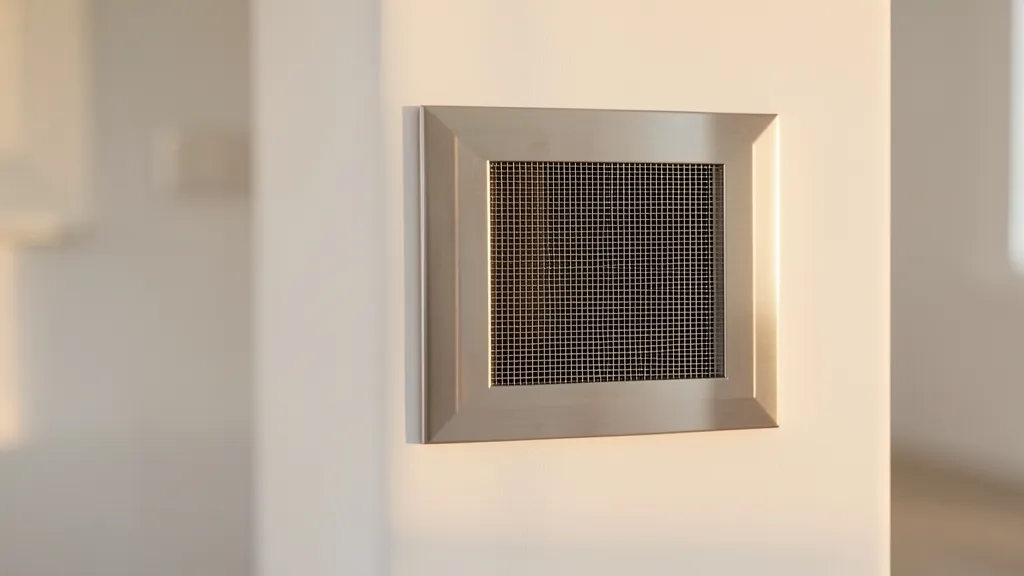
Air registers and grilles are the gatekeepers of your HVAC system, but they’re often overlooked. Dust, pet dander, and debris clog them over time, reducing airflow and forcing your system to work harder. We’ll walk you through a professional-grade process to restore efficiency and indoor air quality in your home.
Why Cleaning Air Registers and Grilles Matters
Clogged registers and grilles restrict airflow, making your HVAC system less efficient. This strains components like coils and blower motors, shortening their lifespan.
In Deerfield’s humid summers and cold winters, these blockages also trap moisture, creating ideal conditions for mold and mildew growth inside ductwork.
Clean registers improve energy efficiency, reduce allergens, and help maintain balanced air pressure throughout your home.
Return grilles pull air back into the system. If they’re dirty, contaminants recirculate through your entire home, defeating the purpose of cleaning supply vents.
Signs Your Registers and Grilles Need Cleaning
Visible dust or debris buildup on the grilles is the most obvious sign. But don’t stop there—check for reduced airflow from vents.
Uneven heating or cooling between rooms often points to blocked registers. You might also notice more dust settling on furniture near vents.
Musty odors when the HVAC runs can indicate mold or mildew in the ductwork, often starting at the grilles.
Tools and Materials You’ll Need
Start with a vacuum with a brush or crevice attachment to remove loose debris. A microfiber cloth and mild dish soap work for wiping down grilles.
For stubborn grime, a soft-bristle brush or an old toothbrush helps dislodge dust in tight spaces. Screwdriver sets are useful for removing fixed grilles.
Wear a dust mask and gloves to protect against allergens. If you suspect mold, consider a respirator rated for particulate matter.
Essential Cleaning Kit
- Vacuum with brush/crevice attachment
- Microfiber cloths
- Mild dish soap or HVAC-safe cleaner
- Soft-bristle brush or toothbrush
- Screwdriver set (Phillips and flathead)
- Dust mask and gloves
Step-by-Step Cleaning Process
Begin by turning off your HVAC system to prevent dust from being sucked into the ductwork while you work.
Remove the grilles carefully. Some pop off with gentle pressure, while others are screwed in. Place screws in a safe spot to avoid misplacing them.
Vacuum both the grille and the exposed duct opening thoroughly. Use the brush attachment to agitate dust in hard-to-reach areas.
Deep Cleaning and Reinstallation
For grilles with heavy buildup, soak them in warm, soapy water for 10–15 minutes. Scrub gently with a brush, then rinse and dry completely before reinstalling.
Inspect the duct opening for signs of mold or excessive debris. If you see black stains or a musty smell, it’s time for professional duct cleaning.
Reattach the grilles securely. Ensure they’re aligned properly to maintain airflow direction—supply grilles should direct air into the room, not the ceiling.
Pet hair clogs grilles quickly. Use a lint roller or vacuum with a pet hair attachment to remove fur before it enters the ductwork.
How Often Should You Clean Registers and Grilles?
In most homes, cleaning every 3–6 months is sufficient. However, households with pets, allergies, or smokers should aim for every 1–2 months.
Deerfield’s seasonal changes—especially the transition from heating to cooling—are a good reminder to check and clean your vents.
If you’ve recently completed a renovation or noticed increased dust, clean the grilles immediately to prevent debris from entering the duct system.
| Household Type | Recommended Frequency | Key Factors |
|---|---|---|
| Standard (no pets, no allergies) | Every 3–6 months | Normal dust accumulation |
| Pet owners | Every 1–2 months | Pet hair and dander |
| Allergy/asthma sufferers | Every 1–2 months | Reduces airborne allergens |
| Smokers | Every 1–2 months | Tobacco residue and odor |
| Post-renovation | Immediately + every 3 months | Construction dust and debris |
When to Call a Professional
If you notice mold growth, strong odors, or visible debris inside the ductwork, it’s time for professional air duct cleaning. These issues often extend beyond the grilles.
Persistent airflow problems or uneven temperatures may indicate deeper blockages or ductwork damage that requires expert diagnosis.
For homes in Deerfield, Northbrook, or Highland Park, our team can perform a thorough inspection and cleaning, including HVAC coil cleaning and indoor air quality testing if needed.
Cleaning registers is just the first step. For optimal performance, pair it with dryer vent cleaning and air filter replacement to keep your entire system running smoothly.
Preventing Future Buildup
Use high-quality air filters and replace them every 1–3 months, depending on the type. HEPA filters capture smaller particles but may need more frequent changes.
Consider installing removable, washable grilles for easier maintenance. These are especially useful in high-traffic areas or homes with pets.
Regularly dust and vacuum your home to reduce the amount of debris that enters the HVAC system. Pay extra attention to areas near vents.
How to Remove and Clean Fixed Grilles
Fixed grilles require a bit more effort but are just as important to clean.
- 1Turn Off the HVAC System
Switch off the system at the thermostat to prevent dust from spreading while you work.
- 2Remove the Grille
Use a screwdriver to unscrew the grille from the wall or floor. Place screws in a labeled container to avoid mixing them up.
- 3Vacuum the Duct Opening
Use a vacuum with a brush attachment to clean as far into the duct as you can reach. Avoid damaging ductwork with sharp tools.
- 4Wash the Grille
Soak the grille in warm, soapy water, scrub with a soft brush, rinse, and dry thoroughly before reinstalling.
- 5Reinstall the Grille
Secure the grille back in place with the screws. Ensure it’s level and aligned with the duct opening for proper airflow.
Frequently Asked Questions
Can I clean air registers without removing them?
Yes, but it’s less effective. Use a vacuum with a brush attachment to remove surface dust, then wipe with a damp cloth. For deep cleaning, removal is best to access all sides and the duct opening.
What’s the difference between supply and return grilles?
Supply grilles deliver conditioned air into rooms, while return grilles pull air back into the HVAC system for recirculation. Both need regular cleaning, but return grilles often collect more dust and debris.
How do I know if my ductwork needs professional cleaning in Deerfield?
Signs include visible mold, strong musty odors, excessive dust blowing from vents, or reduced airflow even after cleaning grilles. If you notice these, request a quote for a professional inspection.
Are there any risks to cleaning grilles myself?
The main risk is damaging the grille or ductwork with harsh chemicals or abrasive tools. Stick to mild soap, soft brushes, and gentle vacuuming. If you’re unsure, consult a professional.
Will cleaning my grilles improve my HVAC’s efficiency?
Absolutely. Clean grilles allow for better airflow, reducing the strain on your HVAC system. This can lower energy bills and extend the life of components like coils and blower motors.
Do UV light treatments help with dirty grilles?
UV light systems are designed to kill mold and bacteria in ductwork, not clean grilles. They’re a great addition to professional duct cleaning but won’t replace regular grille maintenance.