How Poor Indoor Air Quality Affects Elderly Residents in Deerfield
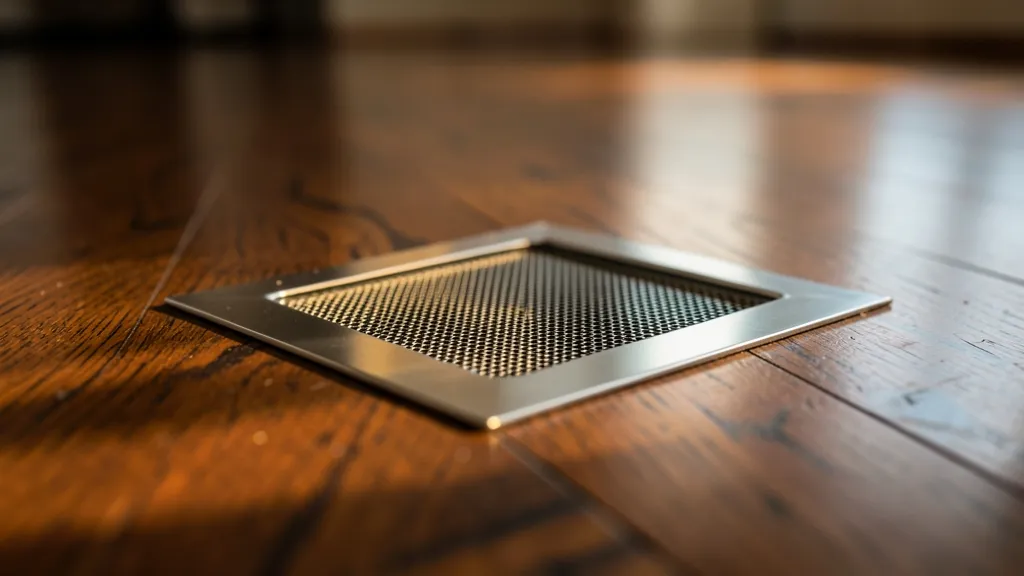
Poor indoor air quality doesn’t just feel uncomfortable—it can pose serious health risks, especially for elderly residents. In homes with aging ductwork or neglected HVAC systems, contaminants circulate silently, worsening respiratory conditions and reducing overall well-being. We’ve seen firsthand how clean air ducts transform IAQ for seniors in Deerfield and nearby communities like Highland Park and Northbrook.
Why Elderly Residents Are More Vulnerable to Poor IAQ
As we age, our immune systems and respiratory defenses weaken. Elderly lungs are less efficient at filtering out pollutants, making them more susceptible to allergens, dust, and mold spores lingering in ductwork.
Chronic conditions like asthma, COPD, or heart disease are aggravated by poor air quality. Even low levels of contaminants can trigger symptoms or lead to hospitalizations in severe cases.
Common IAQ Contaminants in Deerfield Homes
Dust mites, pet dander, and pollen are pervasive in local homes, especially during seasonal changes. These particles accumulate in air ducts and recirculate every time the HVAC system runs.
Mold and mildew thrive in humid conditions, which can be an issue in basements or poorly ventilated areas. In Deerfield’s climate, summer humidity and winter condensation create ideal breeding grounds.
Volatile organic compounds (VOCs) from cleaning products, paints, and furniture off-gas over time. Without proper ventilation or duct cleaning, these chemicals linger and concentrate indoors.
| Contaminant | Source | Health Impact |
|---|---|---|
| Dust Mites | Fabrics, carpets, upholstery | Allergies, asthma attacks |
| Mold Spores | Damp areas, poorly maintained ducts | Respiratory infections, chronic cough |
| Pet Dander | Pets, furniture, bedding | Allergic reactions, sinusitis |
| VOCs | Paints, cleaners, air fresheners | Headaches, nausea, long-term organ damage |
| Pollen | Outdoor air, open windows | Seasonal allergies, eye irritation |
Signs Your Ductwork Is Compromising IAQ
Unexplained dust buildup on surfaces shortly after cleaning is a red flag. It often means ducts are distributing contaminants rather than fresh air.
Musty or stale odors when the HVAC kicks on suggest mold or mildew in the system. These smells are particularly noticeable in older homes in areas like Riverwoods or Bannockburn.
Increased allergy symptoms or respiratory discomfort at home—but not elsewhere—can indicate poor IAQ. Seniors may dismiss this as aging, but dirty ducts are often the culprit.
If you see mold near vents or inside ductwork, avoid running the HVAC until a professional inspects and cleans the system. Mold spores can spread rapidly through the air.
How Professional Air Duct Cleaning Improves IAQ
Our team uses high-powered vacuums and agitation tools to dislodge and remove years of built-up debris from ductwork. This isn’t a DIY job—specialized equipment reaches deep into the system where household tools can’t.
Clean ducts mean the HVAC system operates more efficiently, reducing energy costs while improving airflow. For seniors, this translates to consistent temperatures and fewer drafts, which is critical in Illinois winters.
Removing contaminants at the source prevents them from recirculating. This is especially important for elderly residents with compromised immune systems.
Additional Services to Enhance Indoor Air Quality
Dryer vent cleaning prevents lint and debris from clogging vents, which can release particles back into the home. It’s a simple step that’s often overlooked in IAQ discussions.
HVAC coil cleaning removes dirt and microbial growth from evaporator and condenser coils. Dirty coils reduce efficiency and can harbor mold, directly impacting air quality.
UV light and sanitization treatments target bacteria, viruses, and mold spores at a molecular level. These systems are installed within the ductwork to continuously purify air as it passes through.
Indoor air quality testing identifies specific pollutants and their concentrations. This data helps tailor solutions, whether it’s duct cleaning, filter upgrades, or humidity control.
IAQ Boost Checklist for Seniors
- Schedule annual air duct cleaning
- Replace HVAC filters every 1-3 months (use HEPA for allergies)
- Install a dehumidifier in damp areas like basements
- Consider an air purifier for high-traffic rooms
- Seal ducts to prevent outdoor pollutant infiltration
Deerfield’s Climate and Its Impact on IAQ
The Midwest’s seasonal extremes—hot, humid summers and cold, dry winters—put extra strain on HVAC systems. In Deerfield, this means ducts work overtime, pulling in more contaminants if not properly maintained.
Winter brings sealed windows and doors, trapping indoor pollutants. Without fresh air exchange, concentrations of allergens and VOCs can spike, particularly in older, less ventilated homes.
Spring and fall pollen seasons flood the air with allergens. If your ducts aren’t clean, these particles get recirculated, prolonging allergy symptoms for seniors.
Book a duct cleaning in early spring or fall to remove seasonal debris before peak HVAC usage. This timing helps maintain optimal IAQ year-round.
Long-Term Benefits of Clean Air Ducts for Seniors
Improved respiratory health is the most immediate benefit. Seniors with asthma or allergies often report fewer symptoms within days of a professional cleaning.
Better sleep quality follows when the air is free of irritants. Poor IAQ can cause nighttime congestion or coughing, disrupting rest—especially for those with sensitive airways.
Reduced risk of infections is critical for elderly residents. Clean ducts limit the spread of bacteria and viruses, which can be life-threatening for those with weakened immune systems.
When to Call a Professional
If you notice visible mold, excessive dust, or a musty smell, it’s time for an inspection. These are clear signs your ducts need attention.
After home renovations, construction debris and dust can clog ductwork. A post-renovation cleaning ensures these particles don’t linger in your air supply.
If a senior in the home experiences unexplained respiratory issues, poor IAQ could be the cause. A professional assessment can pinpoint whether ducts or other HVAC components are to blame.
How to Check Your Home’s Indoor Air Quality
A few simple steps can help you assess whether your IAQ is putting elderly residents at risk.
- 1Inspect Vents and Registers
Remove vent covers and look inside for dust, debris, or mold. Use a flashlight to check for buildup in the visible ductwork.
- 2Monitor for Odors
Turn on the HVAC and walk through the home. Musty, stale, or chemical-like smells indicate contaminants in the system.
- 3Check for Dust Buildup
If surfaces dust over quickly after cleaning, your ducts may be distributing particles. Pay attention to areas near vents.
- 4Assess Health Symptoms
Note whether respiratory issues, headaches, or fatigue improve when away from home. This can signal poor IAQ.
- 5Use an Air Quality Monitor
Affordable monitors track pollutants like PM2.5, VOCs, and humidity. Compare readings to EPA guidelines to identify problems.
Frequently Asked Questions
How often should elderly residents in Deerfield have their air ducts cleaned?
We recommend every 3 to 5 years for most homes, but annually if there are pets, smokers, or residents with allergies or respiratory conditions. Homes in humid areas like Lake Forest or near construction zones may need more frequent cleanings.
Can air duct cleaning help with my elderly parent’s allergies?
Absolutely. Removing dust, pollen, and pet dander from ductwork reduces the allergens circulating in the air. Many seniors notice a significant reduction in symptoms after a professional cleaning.
Is mold in air ducts dangerous for seniors?
Yes. Mold spores can trigger respiratory infections, asthma attacks, and chronic coughing. Elderly residents with weakened immune systems are especially vulnerable. If you suspect mold, avoid using the HVAC until it’s professionally addressed.
What’s the difference between air duct cleaning and HVAC coil cleaning?
Air duct cleaning focuses on removing debris from the ductwork, while HVAC coil cleaning targets the evaporator and condenser coils. Both are critical for IAQ, but coil cleaning also improves system efficiency and prevents microbial growth on wet surfaces.
Do air purifiers replace the need for duct cleaning?
No. Air purifiers capture particles in the air but don’t address the source—contaminants trapped in your ductwork. For optimal IAQ, combine purifiers with regular duct cleaning and filter changes.
How does Deerfield’s weather affect indoor air quality?
Seasonal extremes force HVAC systems to work harder, pulling in more contaminants if ducts aren’t clean. Humid summers promote mold growth, while sealed winter homes trap pollutants indoors. Regular maintenance helps mitigate these issues.