How Air Ducts Work in Your Deerfield Home: A Clear, Expert Breakdown
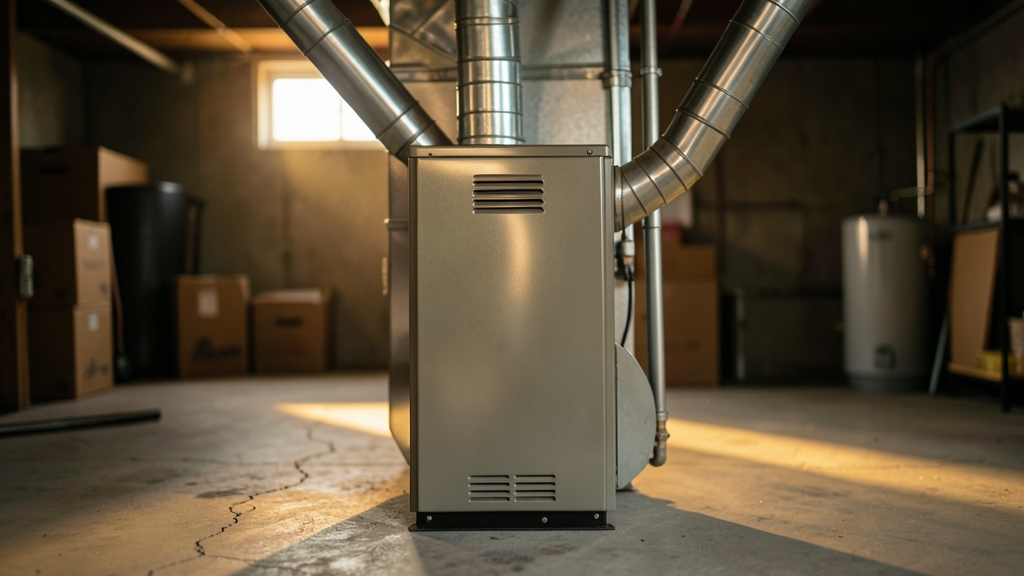
Air ducts are the hidden circulatory system of your home, moving conditioned air where it’s needed. In our area, where seasons swing from humid summers to frigid winters, understanding this flow helps you maintain comfort and efficiency. We break it down in plain, practical terms.
The Basic Principle: Supply and Return
Your ductwork operates in a closed loop. The supply side delivers heated or cooled air from the HVAC system into living spaces through registers. The return side pulls air back to the system for reconditioning.
This continuous cycle ensures consistent temperatures and proper filtration. In older Deerfield homes, poorly balanced supply and return can create hot or cold spots, especially in multi-level layouts.
Key Components of Your Duct System
The air handler houses the blower fan that pushes air through supply ducts. It’s often paired with the evaporator coil, which cools or heats air before distribution.
Return ducts feed air back to the handler via grilles, usually larger and fewer in number. Dampers inside the ducts can adjust airflow to different zones, a common feature in larger homes in Riverwoods or Lake Forest.
| Component | Location | Function |
|---|---|---|
| Supply Ducts | Between air handler and registers | Deliver conditioned air to rooms |
| Return Ducts | Between grilles and air handler | Pull air back for reconditioning |
| Blower Fan | Inside air handler | Circulates air through the system |
| Evaporator Coil | Near air handler | Cools or heats air before distribution |
| Dampers | Inside duct runs | Control airflow to specific zones |
How Air Moves Through the System
When your thermostat signals the HVAC system, the blower fan activates, drawing air through the return ducts. The air passes over the evaporator coil, where it’s heated or cooled to the set temperature.
The conditioned air then travels through supply ducts to registers in each room. Properly sized ducts and balanced airflow prevent pressure drops, a common issue in homes with modified layouts in Highland Park or Northbrook.
Duct Materials and Their Impact
Sheet metal ducts are durable and less prone to mold growth, making them ideal for our humid summers. They’re commonly found in newer Deerfield builds and commercial spaces.
Flexible ducting, or flex duct, is easier to install in tight spaces but can sag or kink, restricting airflow. Poorly installed flex duct is a frequent culprit in reduced efficiency.
For long-term performance, especially in older homes, sheet metal ducts outlast flex duct. Always ensure proper sealing to prevent energy loss.
Why Clean Ducts Matter for Efficiency and Health
Over time, dust, pet dander, and even mold spores accumulate in ductwork. These contaminants restrict airflow, forcing your HVAC system to work harder, which spikes energy use.
In our climate, high humidity can exacerbate mold growth in ducts. This not only reduces efficiency but also degrades indoor air quality, triggering allergies or respiratory issues.
If you see mold near registers or smell musty odors, it’s likely in your ducts. Professional cleaning and mold treatment are essential to prevent health risks.
Common Ductwork Problems in Local Homes
Leaky ducts are a major issue, especially in attics or crawl spaces. In Deerfield’s cold winters, unsealed ducts can lose up to 30% of heated air before it reaches living spaces.
Poorly designed duct systems, often found in older homes, may lack sufficient return paths. This creates negative pressure, pulling unconditioned air from garages or basements.
Signs Your Ducts Need Attention
- Uneven heating or cooling between rooms
- Excessive dust around registers
- Whistling or rattling noises in ducts
- Higher-than-usual energy bills
- Musty odors when HVAC runs
How Duct Design Affects Performance
Proper sizing and layout are critical. Undersized ducts create excessive static pressure, reducing airflow. Oversized ducts can lead to poor air distribution and inefficient operation.
In multi-story homes common in Bannockburn or Lake Forest, zoning systems with dedicated duct runs for each floor can improve comfort and efficiency. These systems use dampers to direct airflow where it’s needed most.
Maintenance to Keep Your Ducts Running Smoothly
Regular air filter changes are the first line of defense. A clogged filter restricts airflow, straining the blower and reducing efficiency. We recommend high-MERV filters for better particle capture, but ensure your system can handle the increased resistance.
Scheduling professional duct cleaning every 3–5 years removes built-up contaminants. For homes with pets, smokers, or allergy sufferers, more frequent cleaning may be necessary. UV light sanitization can also inhibit mold and bacteria growth in ducts.
How to Check Your Ducts for Common Issues
A quick inspection can reveal potential problems before they escalate.
- 1Inspect Registers and Grilles
Remove the covers and look for dust buildup or debris. Use a flashlight to check for visible mold or blockages in the first few feet of duct.
- 2Feel for Airflow
Turn on your HVAC system and hold your hand near each register. Weak or uneven airflow may indicate a blockage or leak.
- 3Listen for Unusual Noises
Whistling or rattling sounds often signal loose duct sections or obstructions. These issues are common in older homes with aging ductwork.
- 4Check for Leaks
In accessible areas like basements or attics, look for disconnected duct sections or gaps sealed with deteriorating tape. Use mastic sealant or metal tape for repairs.
- 5Monitor Energy Bills
A sudden spike in heating or cooling costs without a clear cause could mean your ducts are losing conditioned air. Compare bills to the same month in previous years.
Frequently Asked Questions
How do I know if my Deerfield home has supply or return duct issues?
Supply issues often cause weak airflow from registers, while return problems may create negative pressure, pulling air from unintended sources like basements. A professional inspection can pinpoint the exact cause.
Can dirty ducts affect my HVAC system’s lifespan?
Yes. Clogged ducts force your HVAC system to work harder, increasing wear and tear on components like the blower motor and coils. Regular cleaning extends the life of your system.
Are flex ducts a good choice for my attic in Highland Park?
Flex ducts can work in attics but require proper support and sealing to prevent sagging or kinking. In humid climates, sheet metal is often a better long-term choice to resist mold and maintain airflow.
What’s the difference between duct cleaning and HVAC coil cleaning?
Duct cleaning focuses on removing contaminants from the ductwork, while HVAC coil cleaning targets the evaporator and condenser coils to improve heat transfer efficiency. Both are important for optimal performance.
How does ductwork impact indoor air quality in Deerfield?
Poorly maintained ducts can circulate dust, mold spores, and other allergens throughout your home. Clean ducts, combined with high-quality air filters, significantly improve indoor air quality.
Is duct sealing worth it for older homes in Northbrook?
Absolutely. Older homes often have leaky or poorly connected ducts, leading to energy loss. Sealing ducts can improve efficiency by up to 20% and enhance comfort by eliminating drafts.