How Dirty Air Ducts Trigger Chronic Sinus Problems in Deerfield Homes
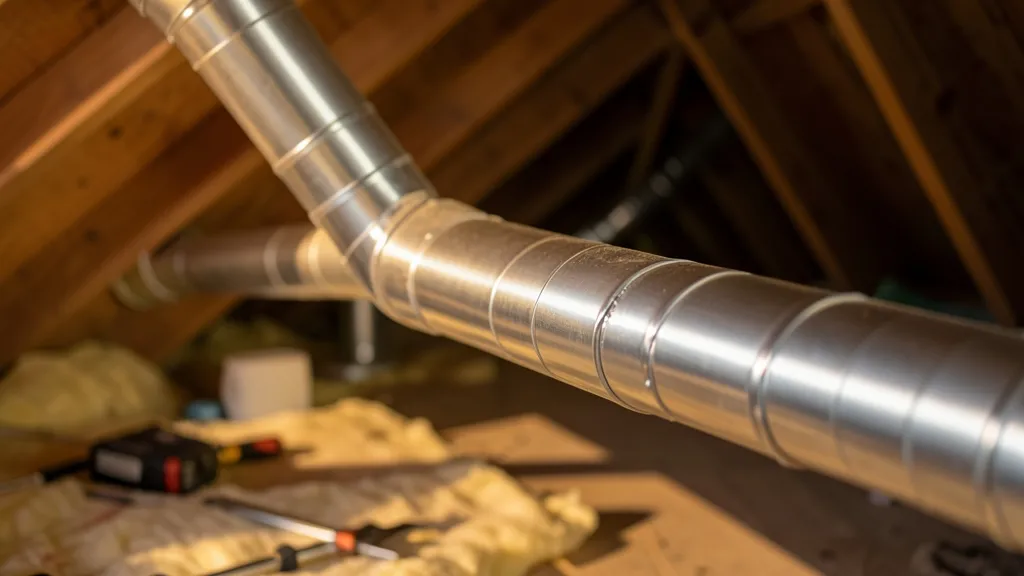
If you or your family battle persistent sinus congestion, headaches, or fatigue at home, your ductwork might be the hidden culprit. Contaminated air ducts circulate allergens and irritants directly into your living spaces, aggravating respiratory conditions—especially in tightly sealed Deerfield homes with seasonal climate swings.
Why Deerfield’s Climate Makes Duct Cleanliness Critical
Our humid summers and cold winters force HVAC systems to run almost nonstop, pulling in outdoor pollutants like pollen and mold spores. These particles settle in ductwork, then recirculate every time your system kicks on.
High humidity in Lake County also encourages microbial growth inside ducts. Without proper maintenance, these contaminants thrive, worsening indoor air quality and sinus symptoms.
The Direct Link Between Dirty Ducts and Sinus Health
Airborne irritants from dirty ducts—dust mites, pet dander, and mold—trigger inflammation in nasal passages. Chronic exposure leads to persistent sinusitis, post-nasal drip, and even asthma-like symptoms.
Studies show that indoor air can be 2-5 times more polluted than outdoor air. If your ducts haven’t been cleaned in years, your sinuses are likely paying the price.
Frequent sneezing, itchy eyes, or congestion that improves when you leave home? These are classic signs your ducts need attention.
Common Contaminants Hiding in Deerfield Ductwork
Dust and debris accumulate fastest in supply vents, but return vents pull in pet hair, cooking grease, and even rodent droppings in older homes. These particles cling to duct walls and get redistributed.
In neighborhoods like Bannockburn or Riverwoods, construction dust from renovations can also infiltrate ducts, adding fine particulate matter that irritates sinuses for months.
| Contaminant | Source | Sinus/Respiratory Effect |
|---|---|---|
| Dust Mites | Fabrics, carpets, skin cells | Allergic rhinitis, congestion |
| Mold Spores | High humidity, water leaks | Chronic sinusitis, coughing |
| Pet Dander | Pets, upholstery | Sneezing, itchy throat |
| Pollen | Outdoor air intake | Seasonal allergy flare-ups |
| Volatile Organic Compounds (VOCs) | Cleaning products, new furniture | Headaches, dizziness |
How Poor Duct Design or Damage Worsens the Problem
Leaky or improperly sealed ducts in attics or crawl spaces pull in unfiltered air—and contaminants—from outside. This is common in older Deerfield homes with aging HVAC systems.
Collapsed or crushed duct sections restrict airflow, forcing your system to work harder. This increases the circulation of trapped pollutants and reduces filtration efficiency.
Hold a tissue near supply vents while the HVAC runs. If it flutters weakly or dust puffs out, your ducts may need inspection or cleaning.
The Role of HVAC Filters in Sinus Protection
A clogged or low-MERV filter fails to trap fine particles, letting them bypass into your ductwork. We recommend MERV 8-13 filters for most Deerfield homes to balance airflow and filtration.
Filters should be replaced every 1-3 months, depending on household factors like pets or allergies. Skipping this simple step accelerates duct contamination.
When to Consider Professional Duct Cleaning
If you notice visible mold growth, excessive dust around vents, or a musty odor when the HVAC starts, it’s time for a professional inspection. These signs often appear together in homes with long-neglected systems.
After major renovations, or if someone in your household develops unexplained respiratory issues, duct cleaning can provide relief. We also advise it if you’ve recently moved into an older home in Highland Park or Northbrook.
Signs Your Ducts Need Cleaning
- Visible dust or debris blowing from vents
- Unexplained increase in allergy or asthma symptoms
- Musty or stale odors when HVAC runs
- Mold growth on ductwork or around vents
- Increased dust accumulation on furniture shortly after cleaning
What a Thorough Duct Cleaning Entails
Professional cleaning starts with a visual inspection using cameras to assess contamination levels. We then use high-powered vacuums and agitation tools to dislodge debris from all duct surfaces.
For severe cases, especially in damp basements common in Lake Forest, we may recommend mold and mildew treatment or UV sanitization to neutralize microbial growth and prevent regrowth.
Complementary Services to Improve Indoor Air Quality
Duct cleaning is just one part of a comprehensive IAQ strategy. Dryer vent cleaning prevents lint buildup that can harbor mold and reduce airflow efficiency.
For homes with persistent issues, HVAC coil cleaning and air filter replacement can further reduce contaminants. In commercial spaces or large homes, we also offer indoor air quality testing to identify hidden pollutants.
How to Reduce Sinus Irritants Between Professional Cleanings
These simple steps help minimize duct contamination and ease sinus symptoms.
- 1Upgrade Your Air Filter
Switch to a pleated filter with a MERV rating of 8-13. Check it monthly and replace it when dirty or every 3 months.
- 2Seal Leaky Ducts
Use mastic sealant or metal tape to seal gaps in exposed ductwork, especially in attics or basements. Avoid duct tape, which degrades over time.
- 3Vacuum Regularly
Use a HEPA-filter vacuum to reduce dust and dander in your home. Focus on areas near vents and high-traffic zones.
- 4Control Humidity
Keep indoor humidity between 30-50% with a dehumidifier or humidifier. This discourages mold growth and dust mites.
- 5Clean Vents and Registers
Remove vent covers and wash them with mild soap and water. Wipe down register surfaces to prevent dust buildup.
Frequently Asked Questions
Can dirty air ducts really make my sinuses worse?
Absolutely. Dirty ducts circulate allergens and irritants that trigger inflammation in your nasal passages. If you notice symptoms improve when you’re away from home, your ducts are likely contributing to the problem.
How often should homes in Deerfield have their air ducts cleaned?
Most homes benefit from professional cleaning every 3-5 years. However, if you have pets, allergies, or smokers in the house—or live in an older home—consider cleaning every 1-2 years.
Will duct cleaning help with my seasonal allergies?
Yes, especially if pollen or dust mites are triggers. Cleaning removes built-up allergens from your ductwork, reducing the amount that circulates through your home during high-pollen seasons.
Is duct cleaning messy or disruptive?
Professional duct cleaning is designed to be minimally invasive. We use contained vacuum systems and drop cloths to protect your home. The process typically takes a few hours, and you can resume normal activities immediately afterward.
Are there any DIY methods to clean air ducts?
While you can clean vent covers and visible dust near registers, a thorough duct cleaning requires specialized equipment to reach deep into the system. DIY methods often miss hidden contaminants and can even damage ductwork if not done carefully.
Do newer homes in Deerfield need duct cleaning less often?
Not necessarily. Newer homes are often more airtight, which can trap contaminants inside. Construction dust from recent builds or renovations in areas like Riverwoods can also quickly accumulate in ducts.