When Cleaning Isn’t Enough: The Real Lifespan of Air Ducts in Deerfield
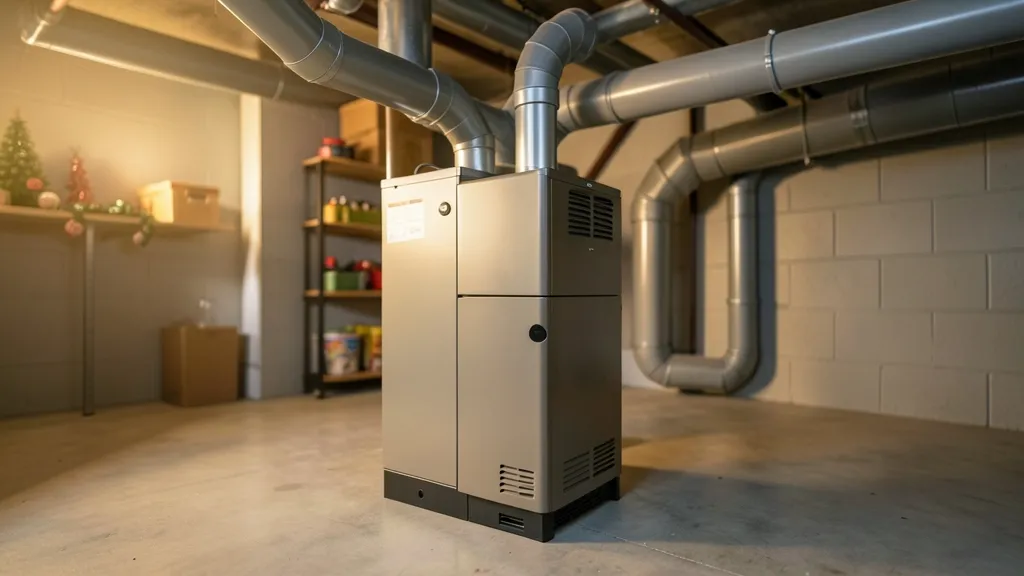
Even the most thorough air duct cleaning can’t restore ducts that have outlived their usefulness. In Deerfield’s climate—with its humid summers and cold winters—ductwork takes a beating. We’ll break down when replacement is the smarter long-term play over repeated cleanings.
How Long Do Air Ducts Actually Last?
Most residential duct systems last 10–15 years, but that’s a broad estimate. Material, installation quality, and maintenance dramatically affect longevity.
Flex ducts degrade faster than sheet metal, especially in attics or crawl spaces where temperature swings are extreme. Poorly sealed joints or crushed runs can also shorten their usable life.
Signs Your Deerfield Ducts Are Beyond Cleaning
Visible rust, corrosion, or holes in the metal are clear red flags. These compromise airflow and can spread contaminants throughout Highland Park or Northbrook homes just as easily.
Persistent musty odors—even after a professional duct cleaning and mold treatment—often signal deep-seated moisture damage or insulation breakdown. That’s common in older homes near Lake Forest with aging systems.
Uneven heating or cooling across rooms, or a sudden spike in energy bills, can indicate collapsed or disconnected duct sections. These issues won’t be fixed by cleaning alone.
If you see mold growth inside the ducts or on vents, or if dust blows out immediately after filter changes, replacement is likely overdue. Cleaning won’t resolve structural failures.
Material Matters: Duct Types and Their Lifespans
Sheet metal ducts are the most durable, often lasting 20+ years with proper care. They’re common in Deerfield’s mid-century homes and handle temperature extremes well.
Flex ducts, while easier to install, typically last 10–15 years. Their inner linings can delaminate, and kinks or sharp bends restrict airflow over time.
Fiberglass ducts, though insulated, can degrade faster in humid conditions. They’re prone to mold if moisture intrudes, a risk in areas like Riverwoods with higher groundwater levels.
| Material | Typical Lifespan | Key Weaknesses |
|---|---|---|
| Sheet Metal | 20–25+ years | Corrosion, poor sealing at joints |
| Flex Duct | 10–15 years | Delamination, kinking, tears |
| Fiberglass | 10–20 years | Moisture absorption, mold risk |
Deerfield’s Climate: A Hidden Stress Test for Ducts
Our region’s seasonal extremes—freezing winters and humid summers—accelerate duct wear. Thermal expansion and contraction can loosen seams and stress connections.
High indoor humidity, especially in basements or crawl spaces, promotes condensation inside ducts. Over time, this leads to rust in metal ducts or mold in fiberglass or flex systems.
Ice dams and heavy snowfall can also damage exposed ductwork in attics. We see this often in Bannockburn homes with older, insufficiently insulated systems.
When Replacement Beats Repeated Cleanings
If your ducts are nearing 15 years and you’re calling for cleanings more than once every 3–5 years, it’s time to evaluate replacement. Frequent cleanings can mask underlying decay.
Upgrading to sealed, insulated sheet metal ducts improves energy efficiency and indoor air quality. This is especially valuable in Deerfield, where utility costs and allergy concerns are top of mind.
Replacement also lets you modernize the layout. Many older homes have inefficient, winding duct runs that restrict airflow to second floors or additions.
New ducts won’t perform at peak efficiency if your HVAC coils are dirty. We recommend coil cleaning alongside any major ductwork upgrade for optimal airflow and system longevity.
The Replacement Process: What to Expect
A proper replacement starts with a load calculation to ensure the new ducts match your HVAC system’s capacity. This prevents inefficiencies or premature equipment failure.
Our team removes old ductwork, seals all joints with mastic or metal tape (never duct tape), and ensures proper slope for condensation drainage. Flex ducts are stretched taut to avoid sagging.
Post-installation, we perform a pressure test to confirm no leaks. This step is critical—even small leaks can reduce efficiency by 20% or more.
Duct Replacement Checklist
- Verify proper sizing with a Manual D calculation
- Use sheet metal for main runs, flex only for short branches
- Seal all joints and seams with mastic or UL-181 tape
- Insulate ducts in unconditioned spaces (attics, crawl spaces)
- Test for leaks with a duct blaster or pressure pan
Cost Factors: What Drives the Price of Duct Replacement?
The size of your home and the complexity of the duct layout are primary drivers. Multi-story homes or those with zoned systems require more materials and labor.
Material choice plays a role—sheet metal costs more upfront than flex but lasts longer. Accessibility also matters; ducts in finished basements or tight crawl spaces increase labor time.
Additional upgrades, like adding UV sanitization or improving insulation, will affect the overall investment. For an accurate estimate, request a quote tailored to your Deerfield home’s specifics.
How to Decide Between Duct Cleaning and Replacement
Use this step-by-step guide to assess your ductwork’s condition.
- 1Inspect for Visible Damage
Check for rust, holes, or separated joints in accessible ducts. Use a flashlight to examine supply and return vents.
- 2Test Airflow and Efficiency
Note uneven temperatures between rooms or higher-than-usual energy bills. These can indicate blockages or leaks.
- 3Check for Odors or Mold
Persistent musty smells, even after cleaning, suggest hidden mold or moisture issues. This often requires replacement.
- 4Review Age and Maintenance History
If your ducts are over 15 years old and have a history of frequent cleanings, replacement is likely more cost-effective long-term.
- 5Consult a Professional
Schedule an inspection with a local expert. We use cameras to assess hidden sections and provide a clear recommendation.
Frequently Asked Questions
Can air duct cleaning extend the life of my ducts?
Yes, regular cleaning removes debris that can accelerate wear, but it won’t fix structural issues like corrosion or leaks. Think of cleaning as maintenance, not a cure-all.
How do I know if my Deerfield home’s ducts are properly sized?
Improper sizing leads to poor airflow and efficiency. A professional can perform a Manual D calculation to verify your system matches your home’s heating and cooling demands.
Are flex ducts a bad choice for replacement?
Not necessarily. Flex ducts are fine for short, straight runs but should be avoided for long trunk lines. Proper installation and support are key to preventing sagging or kinking.
What’s the difference between duct cleaning and duct replacement?
Cleaning removes contaminants from existing ducts, while replacement involves removing old ductwork and installing new, properly sealed systems. Replacement addresses structural or material failures.
Do newer ducts improve indoor air quality?
Absolutely. New, sealed ducts prevent dust, mold, and allergens from entering your living spaces. Pairing replacement with UV sanitization or high-quality air filters further enhances IAQ.
Is duct replacement disruptive in a Deerfield home?
Most replacements take 1–2 days, depending on the home’s size. We work efficiently to minimize disruption, and most ductwork is accessible via attics, basements, or crawl spaces.